How to Protect Capital While Growing Wealth in 2025
Investing is often associated with returns, performance, and growth. However, behind every successful portfolio lies a disciplined approach to risk. In today’s unpredictable financial environment, risk management in investing has become just as important as return generation.
Market volatility, geopolitical uncertainty, interest rate shifts, and technological disruption continue to challenge investors. As a result, managing downside risk is no longer optional. Instead, it is a fundamental pillar of sustainable wealth building in 2025.
This article explains how effective risk management works and how investors can apply practical strategies to protect capital while still pursuing long-term growth.
Understanding Risk in Modern Investing
Risk Is Not Just Market Volatility
Many investors equate risk with price fluctuations. While volatility is visible, true risk includes permanent capital loss, inflation erosion, and behavioral mistakes.
Understanding risk requires a broader perspective.
Different Types of Investment Risk
Market risk, credit risk, liquidity risk, inflation risk, and concentration risk all affect portfolios differently.
Awareness improves preparation.
Why Risk Management Matters More in 2025
A More Complex Global Economy
Global markets are increasingly interconnected. Consequently, shocks in one region can spread quickly across asset classes.
Diversification alone is no longer enough.
Faster Information and Emotional Reactions
News travels instantly, amplifying emotional responses. Investors who lack a risk framework often react impulsively.
Structure creates discipline.
Core Principles of Risk Management in Investing
Capital Preservation Comes First
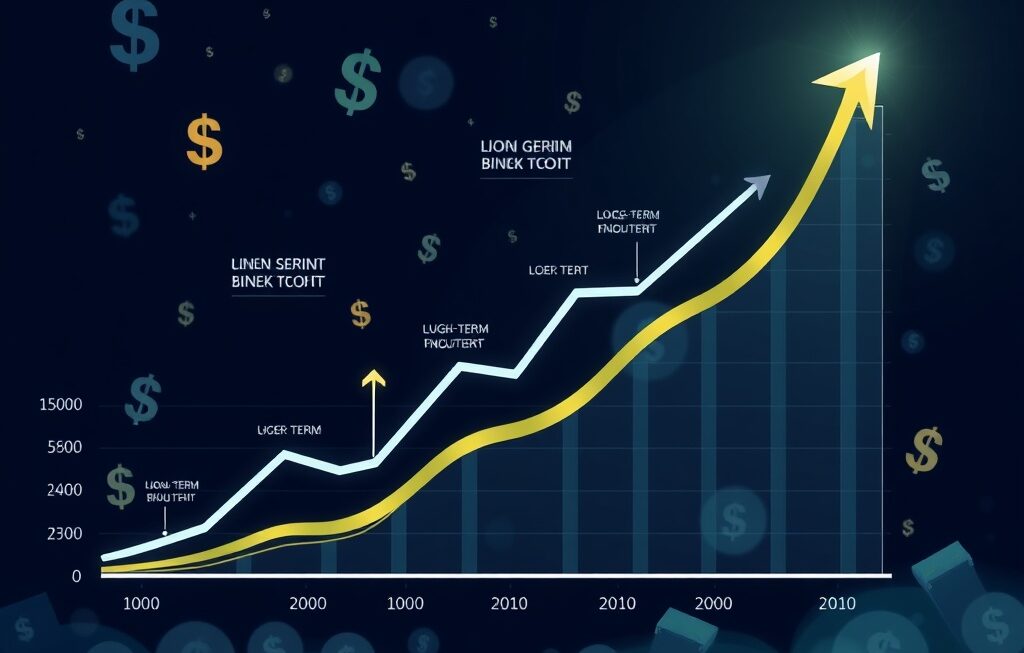
You cannot grow wealth if you consistently lose capital. Protecting downside risk allows compounding to work over time.
Survival is the first objective.
Risk Should Be Intentional, Not Accidental
Every investment decision involves risk. Effective investors choose which risks to take and which to avoid.
Intentionality defines strategy.
Diversification as a Risk Management Tool
Asset Class Diversification
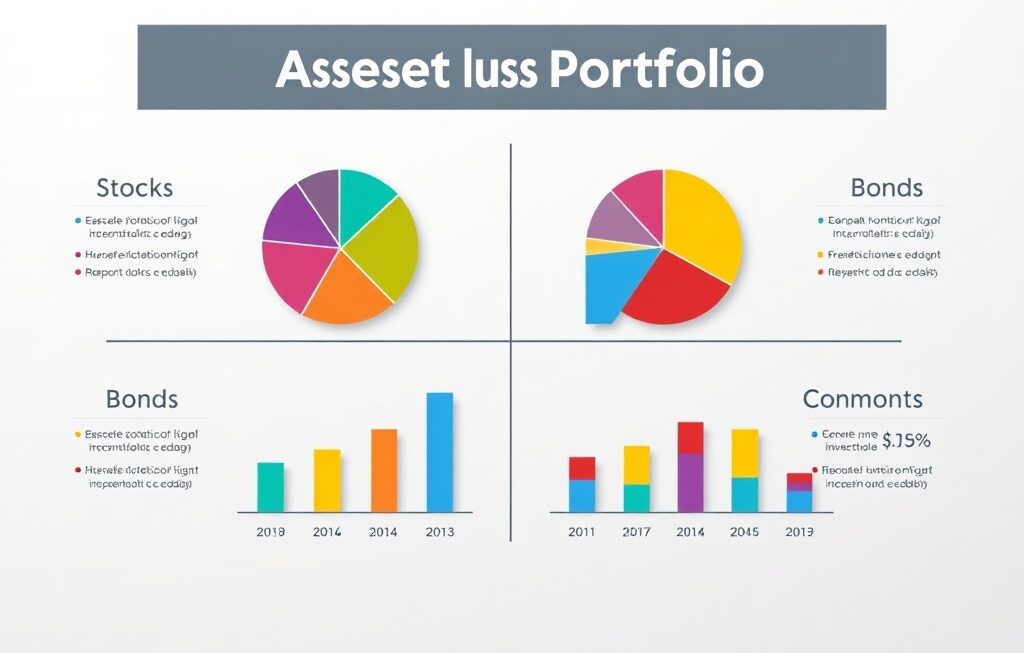
Combining equities, bonds, real assets, and alternatives reduces reliance on a single return source.
Balance stabilizes outcomes.
Sector and Industry Exposure
Overconcentration in one sector increases vulnerability to structural changes.
Variety reduces shock impact.
Geographic Diversification
Global exposure limits dependence on any single economy or political system.
Global balance improves resilience.
Position Sizing and Portfolio Construction
Avoiding Overexposure
Even strong investments can become risky if they dominate a portfolio.
Position sizing controls damage.
Aligning Risk With Time Horizon
Short-term funds require lower risk than long-term capital.
Time defines tolerance.
The Role of Asset Allocation in Risk Control
Allocation Drives Portfolio Behavior
Asset allocation determines how a portfolio reacts to market conditions.
Structure matters more than selection.
Adjusting Allocation Over Time
As life circumstances change, so should risk exposure.
Flexibility supports longevity.
Managing Behavioral Risk
Emotional Decision-Making as a Hidden Threat
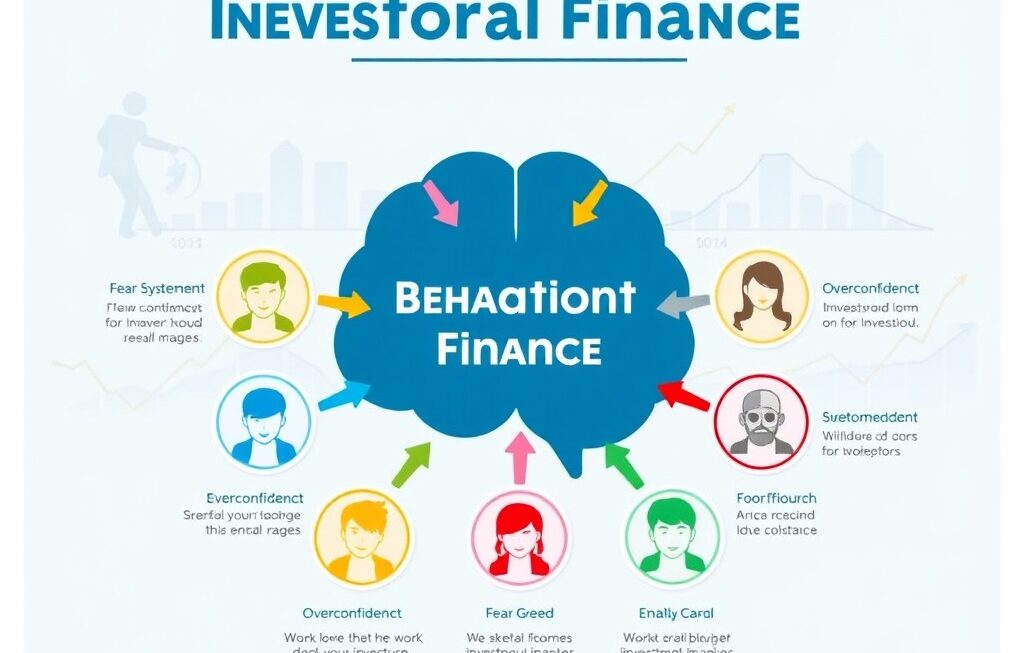
Fear and greed often cause investors to buy high and sell low.
Behavioral discipline protects returns.
Creating Rules to Reduce Emotion
Predefined investment rules reduce impulsive reactions.
Process beats prediction.
Risk Management During Market Volatility
Staying Invested Through Uncertainty
Volatility is unavoidable. Long-term investors prepare for it rather than attempt to escape it.
Preparation reduces panic.
Using Volatility as an Opportunity
Price swings can create attractive entry points for disciplined investors.
Volatility rewards patience.
Hedging Strategies in Modern Portfolios
Defensive Assets
Bonds, cash equivalents, and defensive equities reduce downside exposure.
Defense supports offense.
Alternative Hedging Approaches
Options and structured strategies can provide protection but require expertise.
Complexity demands caution.
Inflation and Risk Management
Inflation as a Silent Risk
reduces real returns over time. Ignoring it undermines long-term goals.
Real value matters.
Assets That Help Manage Inflation Risk
Equities, real estate, and infrastructure often provide inflation protection.
Adaptation preserves purchasing power.
Risk Management for Different Investor Profiles
Conservative Investors
Capital preservation and income stability take priority.
Stability builds confidence.
Growth-Oriented Investors
Higher risk may be acceptable, but still requires structure.
Growth benefits from control.
Pre-Retirement Investors
Reducing volatility becomes critical as withdrawal timelines approach.
Protection gains importance.
Common Risk Management Mistakes
Overconfidence in Market Timing
Predicting market moves consistently is extremely difficult.
Humility improves outcomes.
Ignoring Correlations
Assets that appear diversified may move together during crises.
True diversification matters.
Measuring and Monitoring Risk
Regular Portfolio Reviews
Monitoring risk exposure ensures alignment with goals.
Consistency prevents drift.
Adjusting Without Overtrading
Small, thoughtful adjustments outperform constant activity.
Patience improves efficiency.
The Future of Risk Management in Investing
In 2025, technology and data analytics offer new tools for risk assessment. However, fundamentals remain unchanged. Successful risk management still depends on discipline, diversification, and emotional control.
Tools support strategy, but mindset drives success.

In Summary
Risk management in investing is not about avoiding risk entirely. Instead, it is about understanding, controlling, and aligning risk with long-term objectives. In an uncertain world, investors who prioritize capital protection alongside growth position themselves for lasting success.
Wealth grows best when risk is managed deliberately.