Building Wealth in a Volatile Market
Financial markets in recent years have been marked by volatility, uncertainty, and rapid change. Inflation cycles, interest rate adjustments, geopolitical tensions, and technological disruption have reshaped the investment landscape. As a result, long-term investing strategies in 2025 are more important than ever for investors seeking sustainable wealth growth.
Rather than chasing short-term trends, long-term investing focuses on discipline, patience, and strategic allocation. In 2025, successful investors are not those who predict every market move, but those who build resilient portfolios designed to perform across economic cycles.
This article explores how long-term investing works today and how investors can adapt proven principles to modern market realities.
Why Long-Term Investing Still Works
Time Reduces Market Noise
Short-term market movements are driven by sentiment, headlines, and speculation. Over time, however, fundamentals such as earnings growth and economic expansion play a larger role.
Long-term investing smooths volatility.
Compounding Remains a Powerful Force
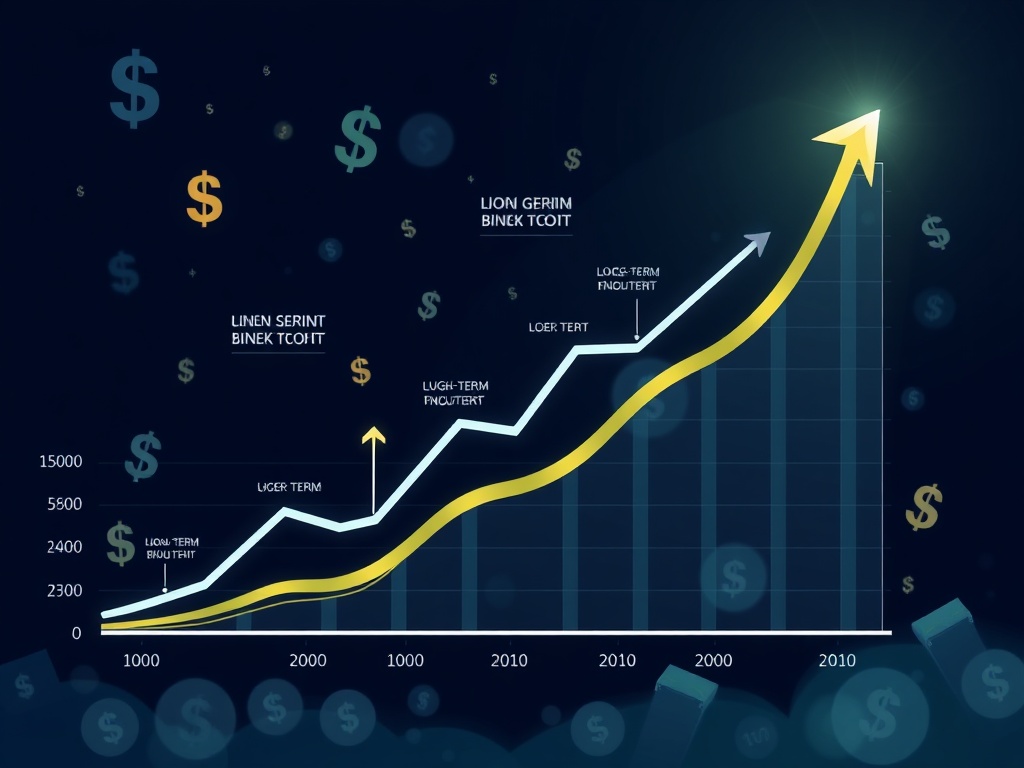
Compounding allows returns to generate additional returns. Even modest annual gains can lead to substantial wealth when given enough time.
Time in the market matters more than timing the market.
The Investment Environment in 2025
Higher Interest Rates and Their Impact
Compared to the previous decade, interest rates remain structurally higher. This environment affects asset pricing, borrowing costs, and valuation models.
Investors must adapt expectations accordingly.
Persistent Inflation Pressures
While inflation may fluctuate, long-term investors must account for its impact on purchasing power.
Real returns matter more than nominal gains.
Core Principles of Long-Term Investing
Asset Allocation Over Asset Selection
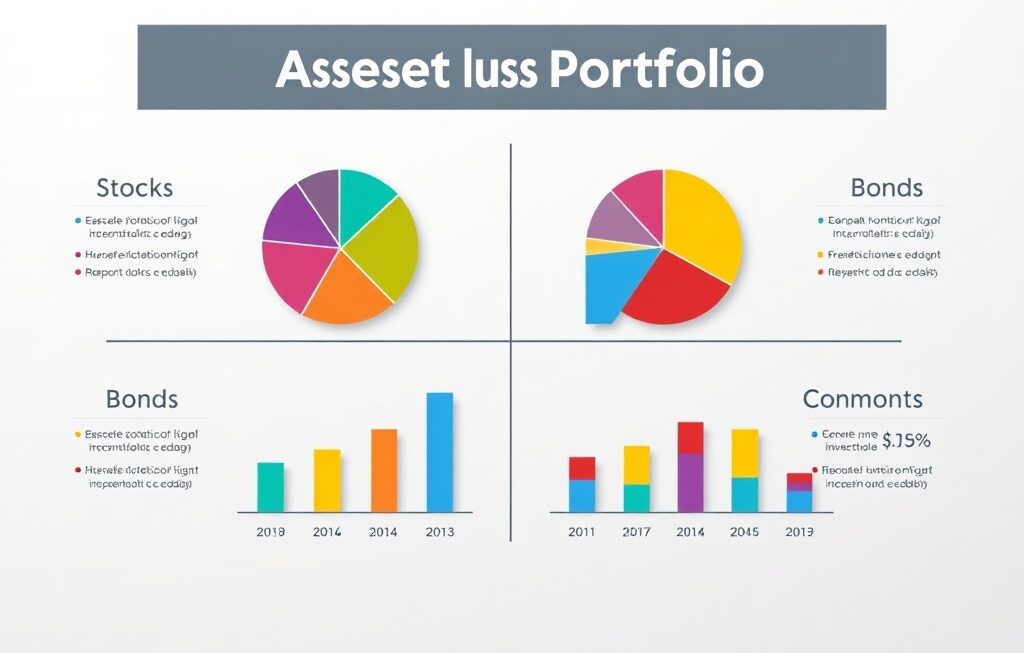
Choosing the right mix of assets often matters more than picking individual winners. Diversification across asset classes reduces risk while supporting consistent growth.
Allocation drives outcomes.
Consistency and Discipline
Regular investing, regardless of market conditions, reduces emotional decision-making.
Discipline builds resilience.
Building a Diversified Long-Term Portfolio
Equities for Growth
Stocks remain the primary driver of long-term wealth creation. In 2025, investors favor companies with strong balance sheets, pricing power, and global exposure.
Quality matters more than hype.
Bonds for Stability
Although bond returns may be lower than equities, they provide stability and income. Bonds also help balance portfolios during market downturns.
Stability reduces stress.
Alternative Assets for Risk Management
Real estate, commodities, and infrastructure investments add diversification and inflation protection.
Alternatives improve balance.
Geographic Diversification in a Global Economy
Investing Beyond Domestic Markets
Global diversification reduces dependence on any single economy. Emerging markets, in particular, offer long-term growth potential.
Growth is not evenly distributed.
Managing Currency Exposure
Currency fluctuations affect returns. Diversifying across regions helps mitigate this risk.
Balance reduces volatility.
Long-Term Investing and Technology
The Role of Automation and AI
Technology-driven companies continue to reshape industries. Long-term investors focus on innovation leaders rather than speculative trends.
Innovation rewards patience.
Using Technology as an Investor
Digital platforms make portfolio tracking, rebalancing, and analysis more accessible.
Efficiency supports consistency.
Risk Management for Long-Term Investors
Understanding Risk Tolerance
Risk tolerance changes over time. Investors should regularly reassess their comfort with volatility and adjust allocations accordingly.
Self-awareness improves decisions.
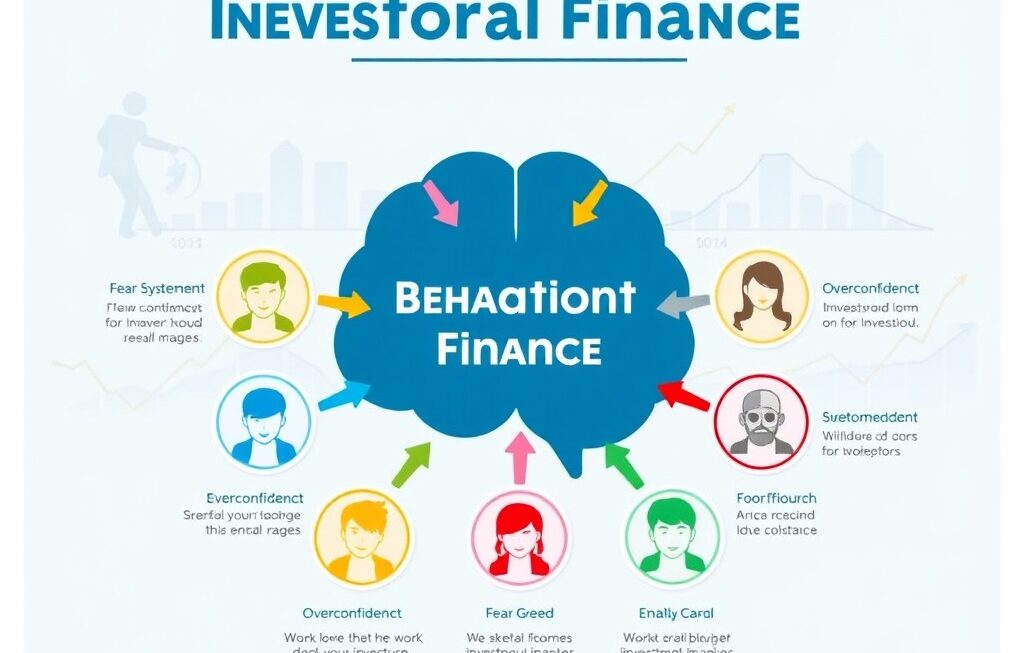
Avoiding Overreaction to Market Events
Emotional reactions often lead to poor outcomes. Long-term strategies rely on plans rather than predictions.
Calm outperforms panic.
Rebalancing and Portfolio Maintenance
Why Rebalancing Matters
Over time, asset allocations drift. Rebalancing restores intended risk levels and reinforces discipline.
Maintenance protects strategy.
When to Rebalance
Periodic reviews, rather than constant adjustments, reduce costs and emotional interference.
Less is often more.
Long-Term Investing vs Short-Term Speculation
The Cost of Frequent Trading
High turnover increases transaction costs and tax exposure.
Patience preserves returns.
Psychological Advantages of Long-Term Thinking
Long-term investors experience less stress and greater confidence.
Peace of mind has value.
Investing Through Economic Cycles
Navigating Recessions
Market downturns are inevitable. Long-term investors view them as opportunities rather than threats.
Perspective creates opportunity.
Benefiting From Recoveries
Economic recoveries reward those who remained invested during downturns.
Consistency pays off.
Long-Term Investing for Different Life Stages
Early-Career Investors
Younger investors benefit most from time and compounding. Higher equity exposure often makes sense.
Time is the greatest asset.
Mid-Career Wealth Builders
Balancing growth with risk management becomes increasingly important.
Stability complements growth.
Pre-Retirement Planning
Capital preservation and income generation take priority.
Security becomes central.
Common Mistakes to Avoid in 2025
Chasing Market Trends
Trends fade quickly. Long-term strategies focus on fundamentals.
Hype rarely lasts.
Ignoring Fees and Taxes
Small costs compound over time. Efficient investing improves net returns.
Details matter.
The Future of Long-Term Investing
In 2025 and beyond, successful investing will continue to reward patience, discipline, and adaptability. While markets evolve, the principles of long-term investing remain remarkably consistent.
Those who commit to thoughtful strategies will build wealth despite uncertainty.

In Summary
Long-term investing strategies in 2025 provide a clear path to building wealth in a volatile world. By focusing on diversification, discipline, and time-tested principles, investors can navigate uncertainty with confidence.
Wealth is built not by reacting to markets, but by staying committed through change.