How Ethereum Is Solving Its Biggest Challenges
Ethereum has become the backbone of the decentralized economy. From decentralized finance and NFTs to gaming and enterprise applications, it supports an enormous ecosystem. However, as adoption increased, so did its limitations. High transaction fees, network congestion, and slow confirmation times became major obstacles to mainstream usage. This is where layer 2 scaling solutions entered the picture.
In 2025, layer 2 scaling solutions are no longer experimental technologies. Instead, they are essential components of Ethereum’s infrastructure. They allow the network to scale without compromising security or decentralization, solving problems that once threatened Ethereum’s long-term viability.
This article explains what layer 2 scaling solutions are, how they work, why they matter, and how they are shaping the future of Ethereum and the broader cryptocurrency ecosystem.
Understanding the Scaling Problem on Ethereum
Why Ethereum Faced Scalability Issues
Ethereum was designed with security and decentralization as top priorities. While these principles made the network robust and trustless, they also limited transaction throughput. Every transaction had to be processed and verified by thousands of nodes, which naturally restricted speed.
As usage grew, demand exceeded capacity. Consequently, users competed for block space, driving gas fees to unsustainable levels. For many everyday users, interacting with Ethereum became expensive and inefficient.
Why Scaling Matters for Mass Adoption
For blockchain technology to reach billions of users, it must be fast, affordable, and reliable. High fees and slow transactions discourage adoption, especially in regions with lower purchasing power. Therefore, scaling Ethereum became essential for its survival and global relevance.
What Are Layer 2 Scaling Solutions?
The Basic Concept Explained Simply
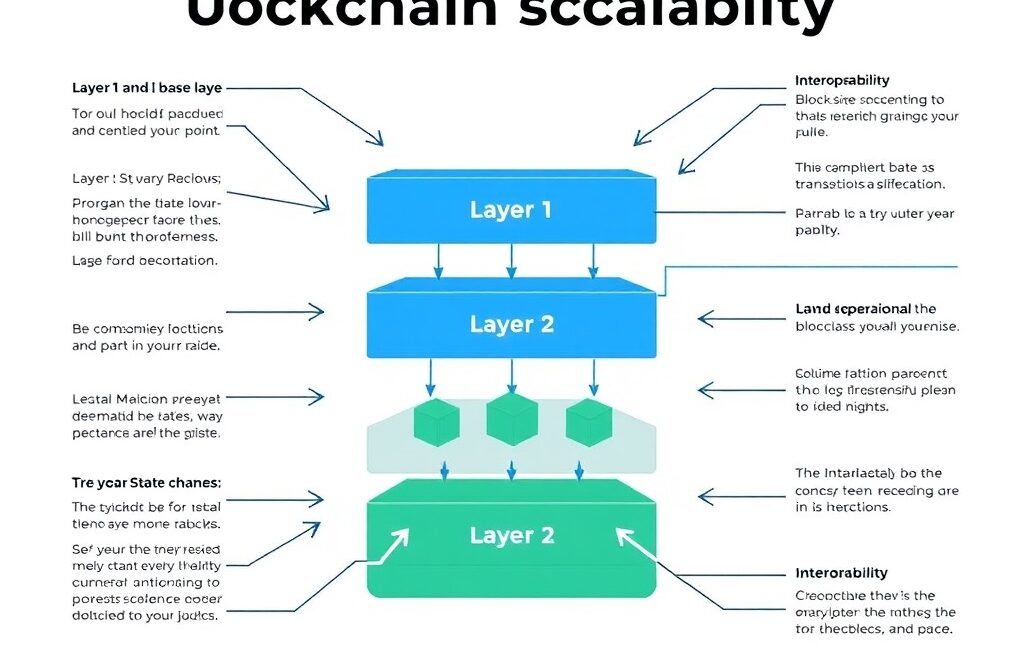
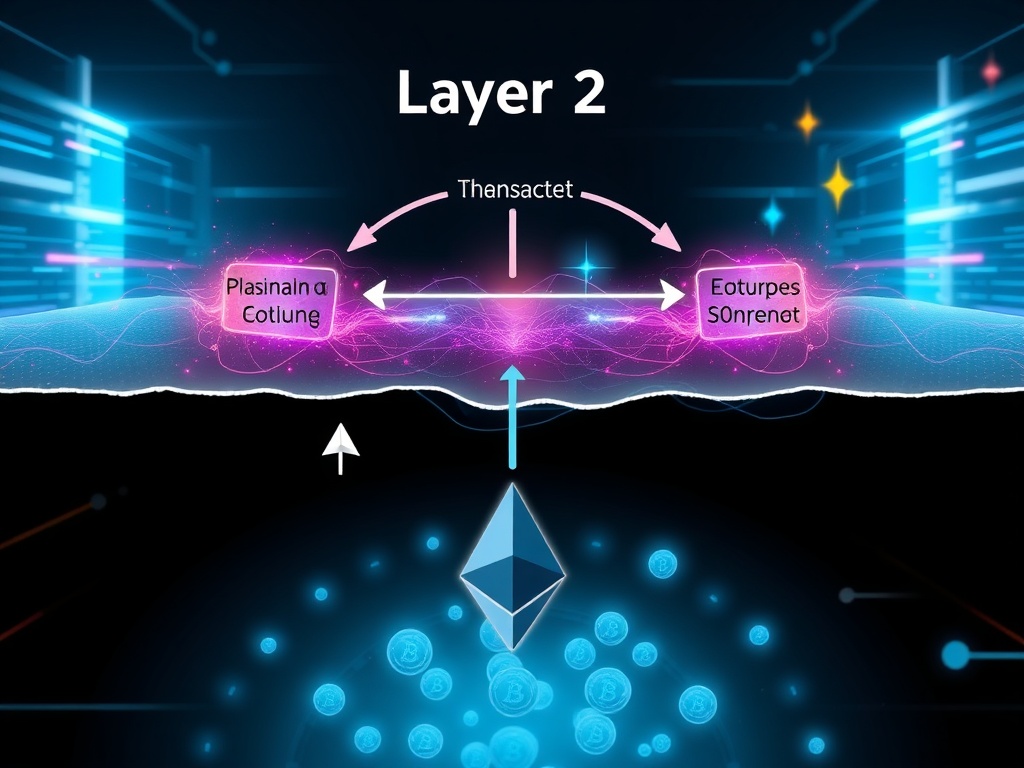
Layer 2 scaling solutions are technologies built on top of Ethereum’s main blockchain. Instead of processing every transaction directly on the main network, they handle transactions off-chain or in parallel environments, while still relying on Ethereum for security.
Once transactions are processed, summarized data is submitted back to the main chain. This dramatically reduces congestion, lowers fees, and increases transaction speed.
Why Layer 2 Is Different From Layer 1 Changes
Layer 1 improvements modify the core Ethereum protocol itself. In contrast, layer 2 scaling solutions operate independently while remaining connected to Ethereum. This makes them faster to deploy, easier to upgrade, and less risky for the base network.
The Main Types of Layer 2 Scaling Solutions
Rollups
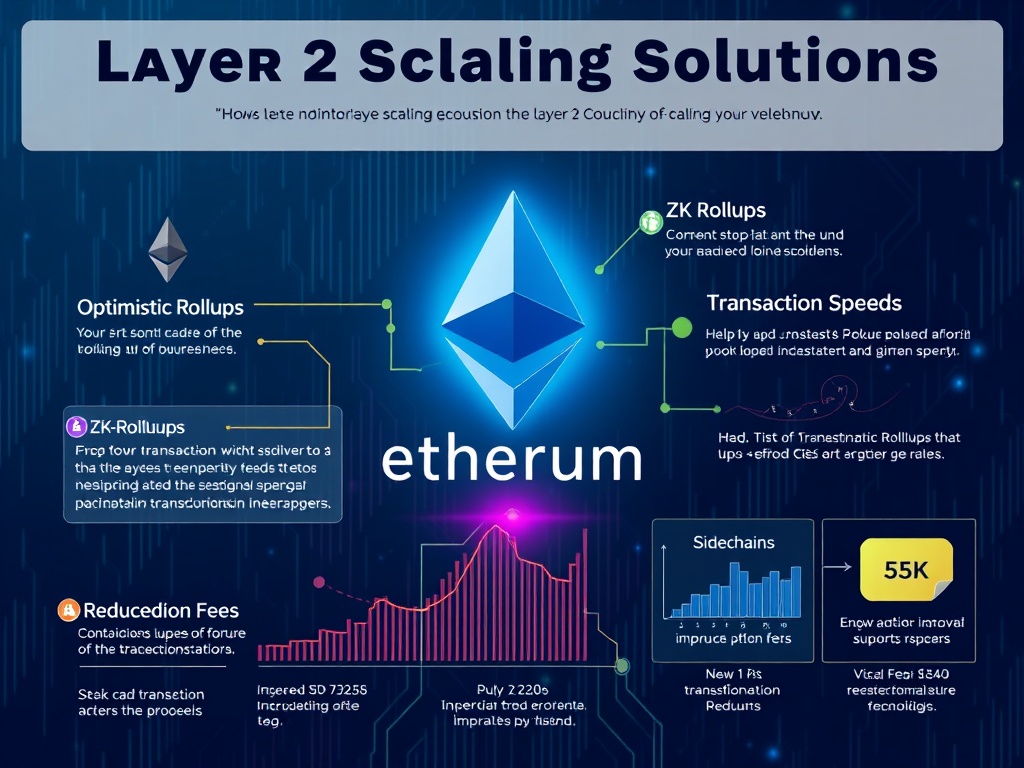
Rollups are the most widely adopted layer 2 scaling solutions in 2025. They bundle thousands of transactions into a single batch and submit it to Ethereum.
There are two main types of rollups:
Optimistic rollups assume transactions are valid unless proven otherwise.
Zero-knowledge rollups use cryptographic proofs to validate transactions instantly.
Both significantly reduce gas fees while maintaining strong security guarantees.
Sidechains
Sidechains are independent blockchains connected to Ethereum via bridges. They process transactions separately and periodically synchronize with Ethereum.
Although sidechains offer high speed and low fees, they rely on their own security models. As a result, they are generally considered less secure than rollups.
State Channels
State channels allow participants to conduct multiple transactions off-chain and settle only the final state on Ethereum. They are extremely fast and cheap but work best for limited use cases involving repeated interactions between the same parties.
How Layer 2 Scaling Solutions Reduce Fees
Off-Chain Processing Efficiency
The primary reason layer 2 scaling solutions lower fees is efficiency. By handling transactions outside the main chain, they reduce the computational load on Ethereum.
This means users pay a fraction of traditional gas costs, making microtransactions and frequent interactions viable again.
Shared Transaction Costs
Batching transactions allows many users to share the cost of a single Ethereum transaction. Instead of each user paying full gas fees, costs are distributed across thousands of transactions.
Speed Improvements Enabled by Layer 2
Near-Instant Transactions
Many layer 2 scaling solutions process transactions in seconds or less. This is a dramatic improvement compared to congested layer 1 conditions.
Fast confirmations enable real-time applications such as gaming, payments, and social platforms to operate smoothly on Ethereum.
Improved User Experience
Lower fees and faster speeds remove friction for users. As a result, decentralized applications feel more like traditional web services, accelerating adoption among non-technical users.
The Role of Layer 2 in DeFi Growth
Lower Costs for DeFi Users
Decentralized finance relies heavily on frequent transactions. High fees previously priced out small investors. Layer 2 scaling solutions make DeFi accessible to a wider audience by lowering barriers to entry.
Increased Liquidity and Innovation
Cheaper transactions encourage experimentation and innovation. Developers can build complex financial products without worrying about prohibitive costs, leading to a more diverse DeFi ecosystem.
NFTs and Gaming on Layer 2
Making NFTs Affordable Again
Minting and trading NFTs became expensive during periods of network congestion. Layer 2 solutions dramatically reduce costs, making NFTs accessible to creators and collectors alike.
Enabling Blockchain Gaming
Games require frequent, fast, and low-cost transactions. Layer 2 environments make blockchain gaming viable by delivering performance comparable to traditional games.
Security and Trust in Layer 2 Scaling Solutions
Ethereum as the Security Anchor
Most layer 2 scaling solutions inherit Ethereum’s security. Even though transactions occur off-chain, final settlement happens on Ethereum, ensuring trust and decentralization.
Fraud Proofs and Validity Proofs
Optimistic rollups rely on fraud proofs to challenge invalid transactions. Zero-knowledge rollups use mathematical proofs to guarantee correctness. Both mechanisms enhance trust without sacrificing efficiency.
Institutional Adoption of Layer 2 Technologies
Enterprises and Layer 2
Companies exploring blockchain adoption prefer predictable costs and reliable performance. Layer 2 scaling solutions provide the infrastructure needed for enterprise use cases such as supply chain management and payments.
Financial Institutions and Tokenized Assets
Layer 2 platforms support high-volume transactions, making them ideal for tokenized assets, trading platforms, and settlement systems.
Challenges Facing Layer 2 Scaling Solutions
Fragmentation of Liquidity
With multiple layer 2 networks, liquidity can become fragmented. Cross-chain bridges and interoperability tools are addressing this issue, but it remains a challenge.
User Education
Many users still find layer 2 concepts confusing. Simplifying onboarding and improving interfaces is crucial for broader adoption.
Bridge Security Risks
Bridges connecting layer 2 networks to Ethereum can be vulnerable if poorly designed. Security audits and decentralized bridge models are helping reduce risks.
The Future of Ethereum With Layer 2 Scaling Solutions
Layer 2 scaling solutions are not temporary fixes. They are central to Ethereum’s long-term roadmap. As Ethereum continues optimizing its base layer, layer 2 technologies will handle the majority of user activity.
In the future, users may interact with Ethereum without even realizing they are using layer 2 networks. Transactions will be fast, affordable, and seamless, bringing blockchain closer to everyday life.
Why Layer 2 Scaling Solutions Matter for the Crypto Ecosystem
Ethereum is not alone in facing scalability challenges. Solutions developed for Ethereum influence the entire blockchain industry. Other networks adopt similar models, accelerating innovation across the ecosystem.
Layer 2 scaling solutions demonstrate that blockchain can scale without sacrificing decentralization, proving that the technology is ready for global adoption.
In Summary
Layer 2 scaling solutions have become the backbone of Ethereum’s evolution in 2025. By reducing fees, increasing speed, and maintaining security, they solve the network’s most critical challenges.
As adoption continues to grow, these technologies will define how users interact with Ethereum, DeFi, NFTs, and decentralized applications. Understanding layer 2 scaling solutions is no longer optional for crypto enthusiasts. It is essential for anyone interested in the future of blockchain.