How Blockchain Scalability Is Evolving in 2025
As blockchain adoption grows, scalability has become one of the most critical challenges facing the cryptocurrency ecosystem. High transaction fees, network congestion, and slow confirmation times have limited the practical use of many blockchains. This is where layer 2 blockchain solutions play a decisive role.
In 2025, layer 2 solutions are no longer experimental concepts. They are essential infrastructure supporting decentralized finance, NFTs, gaming, payments, and enterprise blockchain use cases. Understanding how these solutions work is crucial for anyone interested in the future of cryptocurrency.
This article explains layer 2 blockchain solutions in a clear and practical way, focusing on how they improve scalability, lower costs, and accelerate real-world adoption.
What Are Layer 2 Blockchain Solutions
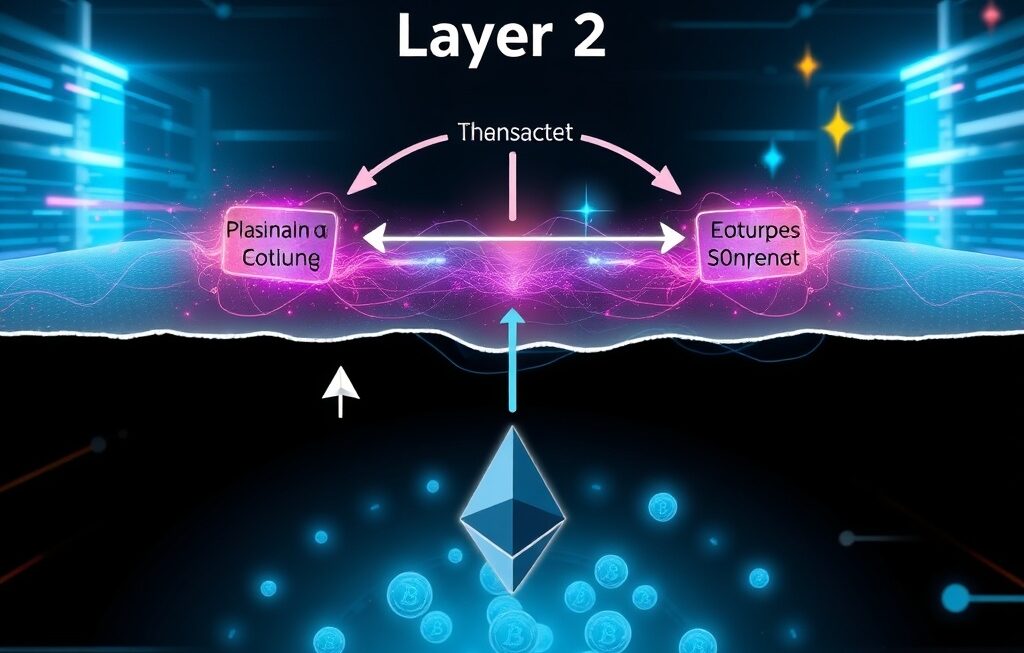
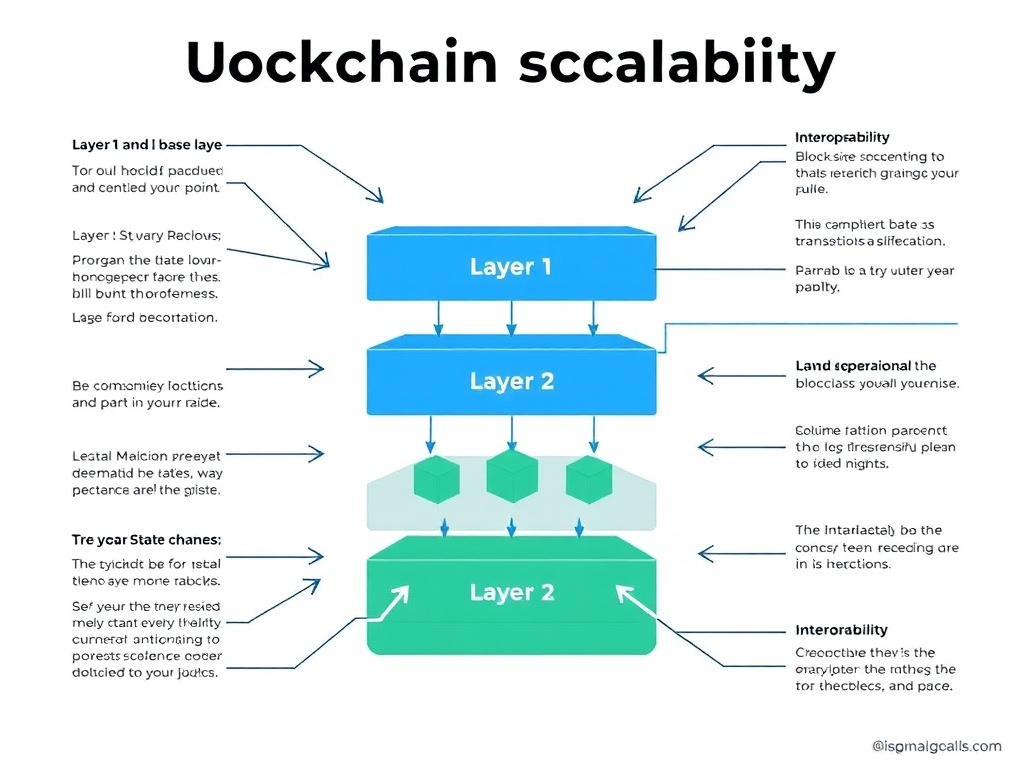
Layer 2 solutions are technologies built on top of an existing blockchain, known as layer 1. Instead of processing every transaction directly on the main network, layer 2 systems handle transactions off-chain or in parallel, while still relying on the security of the underlying blockchain.
As a result, networks become faster, cheaper, and more efficient without compromising decentralization.
Why Scalability Matters in Cryptocurrency
Network Congestion and High Fees
When too many users interact with a blockchain at the same time, transaction fees increase and confirmation times slow down. This has historically affected major networks like Ethereum.
Layer 2 blockchain solutions directly address this issue by reducing the load on the main chain.
User Experience and Mass Adoption
For cryptocurrency to reach mainstream users, transactions must be fast and affordable. High fees discourage everyday use, especially for small payments.
Scalability is essential for adoption beyond speculation.
How Layer 2 Solutions Work
Layer 2 systems bundle or process transactions separately and then submit summarized data back to the main blockchain. This approach significantly reduces the number of transactions recorded on layer 1.
Security is maintained because the main blockchain can verify or enforce the results when needed.
Types of Layer 2 Blockchain Solutions
Rollups
Rollups are among the most popular layer 2 blockchain solutions in 2025. They process transactions off-chain and submit compressed transaction data to the main chain.
Optimistic rollups assume transactions are valid unless challenged, while zero-knowledge rollups use cryptographic proofs to confirm validity.
Both models drastically reduce fees and increase throughput.
State Channels
State channels allow users to conduct multiple transactions off-chain and only settle the final result on the main blockchain. This method is ideal for frequent, small transactions.
Although powerful, state channels are more limited in flexibility compared to rollups.
Sidechains
Sidechains operate as independent blockchains connected to a main network. They have their own consensus mechanisms and offer high flexibility.
However, security depends on the sidechain itself rather than the main blockchain.
Layer 2 Solutions and Ethereum in 2025
Ethereum remains the primary ecosystem for layer 2 development. In 2025, many decentralized applications operate primarily on layer 2 networks rather than directly on Ethereum’s main chain.
This shift has reduced congestion, improved user experience, and made decentralized finance more accessible.
Benefits of Layer 2 Blockchain Solutions
Lower Transaction Fees
By reducing the number of transactions processed on layer 1, layer 2 solutions significantly lower costs. This enables microtransactions and everyday crypto usage.
Faster Transaction Speeds
Layer 2 networks process transactions almost instantly compared to congested main chains. Speed improvements enhance usability across applications.
Improved Scalability Without Centralization
Unlike centralized scaling methods, layer 2 solutions preserve blockchain decentralization while improving performance.
This balance is crucial for long-term trust.
Layer 2 Solutions and DeFi Growth
Decentralized finance depends heavily on affordable and fast transactions. In 2025, many DeFi platforms rely on layer 2 blockchain solutions to support trading, lending, and yield strategies.
Without layer 2, DeFi would struggle to serve millions of users efficiently.
NFTs, Gaming, and Layer 2 Adoption
NFT marketplaces and blockchain games require high transaction volumes. Layer 2 networks make these use cases viable by reducing costs and improving responsiveness.
As a result, creative and gaming ecosystems continue to expand.
Risks and Limitations of Layer 2 Solutions
Complexity for New Users
Layer 2 systems introduce additional steps, such as bridging assets between networks. While improving, usability remains a challenge.
Education plays a key role in adoption.
Security Trade-Offs
Although layer 2 solutions inherit security from layer 1, some models rely on assumptions or external validators. Understanding these risks is important for users and developers.
The Role of Layer 2 in Institutional Adoption
Institutions require scalability, predictability, and cost efficiency. Layer 2 blockchain solutions help meet these requirements, making blockchain more attractive for enterprises and financial institutions.
Scalability unlocks real-world use cases.
How Layer 2 Solutions Shape the Future of Cryptocurrency
Layer 2 technology represents a structural evolution rather than a temporary fix. As blockchain usage grows, scalable infrastructure becomes non-negotiable.
In 2025, layer 2 solutions are foundational to the next phase of crypto adoption.
Layer 2 vs Layer 1: A Complementary Relationship
Layer 2 solutions do not replace layer 1 blockchains. Instead, they enhance them. Layer 1 provides security and decentralization, while layer 2 delivers speed and efficiency.
Together, they form a sustainable blockchain ecosystem.
What This Means for Crypto Users and Investors
For users, layer 2 means cheaper and faster transactions. Developers, it offers scalability. For investors, it highlights infrastructure projects with long-term relevance.
Understanding this technology improves decision-making.
In Summary
Layer 2 blockchain solutions have become essential to the evolution of cryptocurrency in 2025. By improving scalability, reducing fees, and enhancing user experience, they enable blockchain technology to move beyond limitations that once held it back.
As adoption continues to grow, layer 2 solutions will remain at the core of a faster, more accessible, and more practical crypto ecosystem.