
How Businesses Are Adapting to a Fragmented World Economy
Over the past decade, global supply chains have undergone a profound transformation. Once optimized primarily for cost efficiency, modern supply chains now prioritize resilience, flexibility, and risk management. In this new environment, global supply chain resilience has become a defining theme in business news.
Geopolitical tensions, trade restrictions, pandemics, climate events, and technological disruptions have exposed vulnerabilities in traditional global networks. As a result, companies across industries are rethinking how goods are sourced, produced, and delivered.
In 2025, supply chain resilience is no longer a temporary adjustment. It is a strategic necessity shaping corporate decision-making worldwide.
Why Global Supply Chains Are Becoming More Fragile
Geopolitical Fragmentation
Rising geopolitical tensions have increased trade barriers and regulatory complexity. Tariffs, sanctions, and export controls have forced companies to reconsider reliance on single regions or partners.
This fragmentation has accelerated supply chain restructuring.
Pandemic and Health-Related Disruptions
The pandemic exposed how quickly global logistics systems can break down. Factory shutdowns, transportation delays, and labor shortages revealed a lack of contingency planning across industries.
Resilience emerged as a top priority.
The Shift From Efficiency to Resilience
Cost Optimization Is No Longer Enough
For decades, businesses pursued lean, just-in-time models to reduce costs. While efficient, these systems proved fragile during disruptions.
Companies now accept higher short-term costs in exchange for long-term stability.
Balancing Speed, Cost, and Reliability
Modern supply chains aim to balance competing priorities. Speed and low cost remain important, but reliability and adaptability carry greater weight than ever before.
Resilient systems absorb shocks without collapsing.
Strategies Businesses Use to Build Supply Chain Resilience
Diversifying Suppliers and Regions
Instead of relying on single suppliers or countries, companies are spreading production across multiple regions. This approach reduces exposure to localized disruptions.
Supplier diversification increases flexibility.
Nearshoring and Regionalization
Many businesses are moving production closer to end markets. Nearshoring reduces transportation risk, shortens lead times, and improves responsiveness.
Regional supply networks are gaining importance.
Technology’s Role in Strengthening Supply Chains
Data Visibility and Real-Time Monitoring
Advanced analytics and digital platforms provide real-time visibility into inventory, logistics, and supplier performance.
Transparency enables faster decision-making.
Automation and Artificial Intelligence
Automation reduces dependency on manual labor, while AI improves demand forecasting and risk assessment.
Technology enhances both efficiency and resilience.
Inventory Management in a Resilient Supply Chain
Strategic Stockpiling
Companies are rethinking inventory levels. Holding strategic reserves of critical components helps prevent production stoppages.
Buffer stock is becoming acceptable again.
Smarter Inventory Allocation
Rather than increasing inventory everywhere, businesses use data to position stock strategically across regions.
Precision replaces excess.
The Impact on Costs and Pricing
Higher Costs in the Short Term
Resilient supply chains often cost more due to diversification, redundancy, and investment in technology.
However, these costs are increasingly seen as insurance.
Long-Term Financial Stability
Avoiding disruptions protects revenue, customer trust, and brand reputation.
Stability outweighs short-term savings.
Supply Chain Resilience and Sustainability
Aligning Resilience With Environmental Goals
Shorter supply chains reduce emissions and support sustainability targets.
Resilience and sustainability increasingly reinforce each other.
Ethical and Transparent Sourcing
Consumers and regulators demand transparency. Resilient supply chains often improve traceability and ethical compliance.
Trust has become a competitive advantage.
Small and Medium Businesses in the New Supply Chain Landscape
Challenges for Smaller Companies
SMEs often lack resources to diversify extensively. However, partnerships and digital tools help level the playing field.
Collaboration increases resilience.
Opportunities Through Specialization
Smaller businesses can adapt faster and serve niche markets effectively within regional supply networks.
Agility creates opportunity.
Global Trade and Policy Implications
Governments Supporting Domestic Production
Many governments offer incentives to strengthen local manufacturing and reduce strategic dependencies.
Public policy shapes supply chain decisions.
Trade Agreements and Regulatory Complexity
Companies must navigate evolving trade rules and compliance requirements.
Flexibility is essential.
Industry-Specific Responses to Supply Chain Risk
Manufacturing and Technology
These sectors invest heavily in supplier diversification and advanced logistics systems.
Complex products require robust planning.
Retail and Consumer Goods
Retailers focus on demand forecasting and inventory flexibility to meet shifting consumer behavior.
Responsiveness defines success.
The Future of Global Supply Chain Resilience
Supply chains will continue evolving toward hybrid models that combine global reach with regional stability. Businesses that invest in resilience will outperform competitors during periods of disruption.
In 2025 and beyond, resilience is a competitive differentiator, not just a defensive strategy.
What This Means for Business Leaders
Executives must view supply chains as strategic assets rather than operational costs. Investment decisions now factor in geopolitical risk, climate exposure, and technological readiness.
Leadership determines resilience.
In Summary
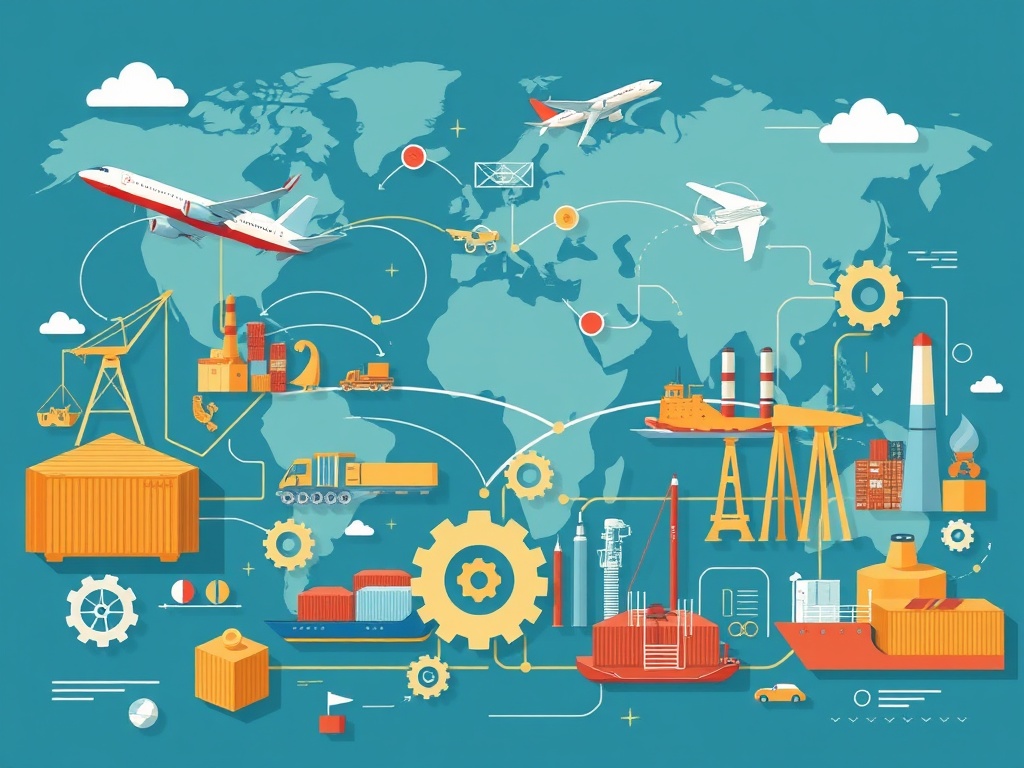
Global supply chain resilience has become a defining issue in business news. As the world economy becomes more fragmented, companies must adapt by diversifying suppliers, investing in technology, and prioritizing flexibility.
Those who build resilient supply chains will not only survive disruptions but also gain long-term competitive advantage in an uncertain global economy.